
The Shrinking Social World
* One of the biggest threats after 80 is not always disease. It is often disconnected from ordinary daily contact. Older adults often lose spouses, siblings, neighbors, driving ability, and easy mobility within a short span. Hearing loss also makes conversation harder and more tiring. Many errands now move online for convenience. Family visits may also grow less frequent. The days still look full from the outside, yet the number of human exchanges drops sharply. That decline carries biological weight because the body reads isolation as stress. NIA says, “Everyone needs social connections to survive and thrive.” People who spend long stretches alone also face higher risks of depression, cognitive decline, heart problems, and death. Even a full calendar can hide real social deprivation.
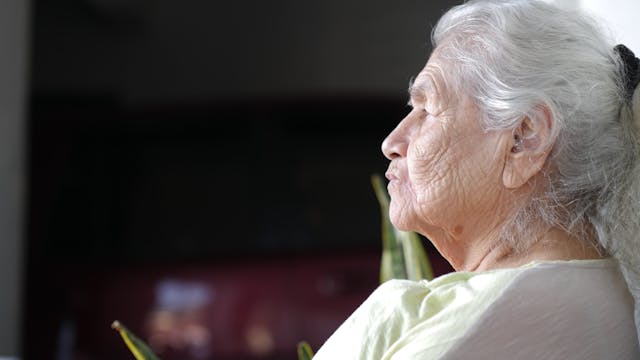
Losing everyday human contact after 80 can raise the risk of isolation, cognitive decline, and faster physical deterioration.
The answer is not vague advice about staying social. Older adults need built-in contact that survives bad weather, pain, and fatigue. A standing breakfast date works better than open-ended plans. Senior centers, exercise classes, volunteer shifts, faith groups, and regular family calls give the week shape. Hearing checks and transportation support matter too, because connection depends on access. Even brief contact counts when it happens often. A life with daily touchpoints is usually safer than a life built around occasional visits.
After 80, social connection is not a luxury. It acts more like infrastructure, and strong infrastructure often helps people remain stable for longer. Regular contact also gives relatives an earlier warning when health begins slipping. That warning window can prevent a crisis.
* Another reason many adults do not live much past 80 is that movement collapses after a scare. The turning point may look small. A person slips in the bathroom one morning. A curb suddenly looks too high. A dizzy spell creates real fear. From there, many older adults start trimming risk from the day. They stop walking outside to the mailbox, carry less laundry across the home, or may avoid stairs whenever possible. At first, that caution seems sensible. However, the body reads reduced movement as a command to downsize. Muscles start weakening from less use. Balance worsens during routine tasks later. Endurance fades across the week, too. A person who stopped moving to avoid injury can become more easily injured within months. That change often happens before anyone names it as frailty.
* Sleep becomes more fragile with age, yet families often treat bad sleep as a nuisance instead of a health issue. That view creates real trouble over time. The NIA says older adults still need about 7 to 9 hours of sleep each night. Sleep supports attention, mood, metabolism, immune function, and physical repair. Poor sleep can blur thinking the next day, worsen irritability, and raise the odds of a fall. It can also interact with pain, medications, nighttime urination, and chronic disease. After 80, one bad night may be manageable. Several bad months can wear down an older adult from multiple directions at once. It can also weaken blood sugar control and pain tolerance. Poor sleep also makes medication side effects harder to tolerate.
* Grief, depression, and the loss of daily purpose can weaken health by shrinking appetite, routine, and motivation.
This is why long life after 80 depends on more than good lab results. Older adults need emotional outlets, treatment for depression when it appears, and routines that make tomorrow worth entering. Support groups, counseling, faith practices, volunteer roles, grandchildren, pets, hobbies, and neighborhood rituals can all help. Families should listen for warning signs such as hopelessness, no reason to live, or a sudden collapse in daily structure. They should also stop assuming that sadness is inevitable and untreatable. The will to keep going draws strength from connection, usefulness, and recognition. When those elements shrink, health often follows. When they return, many older adults regain more ground than relatives expect. Recognition from others can strengthen that drive. Older adults need reasons to be expected somewhere. Even small obligations can help restore direction, appetite, and perseverance.
* Fear turns into frailty - Another reason many adults do not live much past 80 is that movement collapses after a scare. The turning point may look small. A person slips in the bathroom one morning. A curb suddenly looks too high. A dizzy spell creates real fear. From there, many older adults start trimming risk from the day.
* Sleep becomes more fragile with age, yet families often treat bad sleep as a nuisance instead of a health issue. That view creates real trouble over time. The NIA says older adults still need about 7 to 9 hours of sleep each night. Sleep supports attention, mood, metabolism, immune function, and physical repair. Poor sleep can blur thinking the next day, worsen irritability, and raise the odds of a fall. It can also interact with pain, medications, nighttime urination, and chronic disease. After 80, one bad night may be manageable. Several bad months can wear down an older adult from multiple directions at once. It can also weaken blood sugar control and pain tolerance. Poor sleep also makes medication side effects harder to tolerate.

No comments:
Post a Comment